
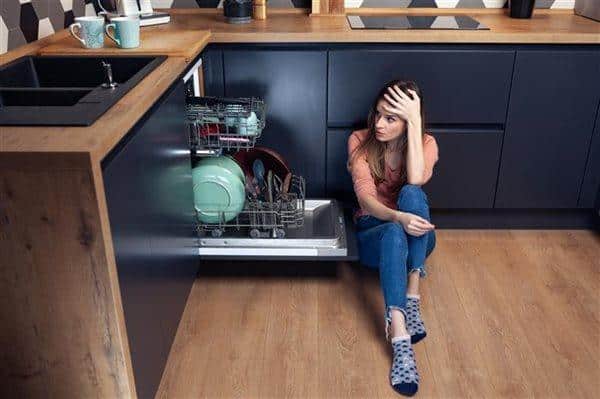
Dishwasher repair and troubleshooting is something every homeowner eventually faces. Dishwashers work hard every day, and even reliable machines develop problems over time. When your dishwasher stops draining, leaves dishes dirty, or refuses to start, the disruption to your daily routine adds up fast. Freedom Appliances helps Airdrie homeowners get their appliances running again. This guide covers the most common dishwasher problems, what causes them, and when to call a professional for help.
Dishwasher Not Draining
Standing water at the bottom of your dishwasher is one of the most frequent complaints homeowners report. It looks alarming, but the cause is often straightforward.
A clogged filter is the first place to check. Most modern dishwashers have a removable filter at the base of the tub. Food debris, grease, and mineral deposits collect there over time. Remove the filter, rinse it under warm water, and scrub it gently with a soft brush. Many drainage problems resolve after a thorough filter cleaning.
If the filter is clean and water still sits at the bottom, the drain hose may be kinked or blocked. The drain hose connects the dishwasher to your sink drain or garbage disposal. A kink in the hose restricts water flow. Pull the dishwasher forward slightly and inspect the hose at the back. Straighten any bends you find.
A faulty drain pump is another common cause. The pump pushes water out of the tub and through the drain hose. When the pump motor fails, water has nowhere to go. You may hear a humming sound during the drain cycle without any water movement. A failed drain pump requires professional replacement. Contact Freedom Appliances for dishwasher repair in Airdrie if the pump is the culprit.
Dishes Coming Out Dirty or Gritty
A dishwasher that runs a full cycle and still leaves dirty dishes is frustrating. This problem usually points to one of three things: poor water pressure, a blocked spray arm, or a failing wash pump.
Start with the spray arms. These rotating arms distribute water throughout the tub during the wash cycle. Food particles and mineral deposits can clog the small holes along each arm. Remove the spray arms — they typically unscrew or unclip — and hold them under running water. Use a toothpick to clear any blocked holes. Reattach them firmly and run a test cycle.
Low water temperature also causes poor cleaning results. Dishwashers need water at around 120°F to dissolve detergent and cut through grease. If your home’s water heater is set too low, the dishwasher never gets hot enough to clean effectively. Check your water heater setting and raise it if needed.
Detergent issues contribute to gritty or filmy dishes as well. Use a high-quality dishwasher detergent and make sure you fill the dispenser correctly. Overloading the dispenser or using old, clumped detergent reduces cleaning performance. Hard water in Airdrie can also leave a white film on dishes — a rinse aid helps combat this significantly.
Dishwasher Not Starting
When your dishwasher does not start at all, work through these checks before calling for service.
First, confirm the door latch is fully engaged. Dishwashers will not start unless the door closes completely and the latch clicks into place. The latch also triggers a safety switch that signals the control board to begin the cycle. If the latch is damaged or the switch has failed, the dishwasher behaves as if the door is open — even when it is shut.
Check the control panel next. Press the cancel or reset button to clear any error state. Some dishwashers lock the control panel after a period of inactivity or after a child lock is activated accidentally. Hold the lock button for three to five seconds to deactivate it.
Inspect the power supply. Confirm the dishwasher is plugged in and the outlet has power. Check your circuit breaker for a tripped switch. If the breaker trips repeatedly, an internal electrical fault may be causing the overload. Stop using the appliance and schedule a professional inspection through appliance repair in Airdrie.
A failed control board can also prevent the dishwasher from starting. The board manages every cycle and function. When it malfunctions, the appliance may show error codes, respond inconsistently, or stay completely unresponsive. Control board replacement is a repair best left to a trained technician.
Dishwasher Leaking Water
Water pooling on your kitchen floor during a wash cycle demands immediate attention. Leaks cause floor damage, promote mold growth, and can damage your cabinets. Act quickly when you spot one.
A worn door gasket is the most common leak source. The gasket is the rubber seal that runs around the inside edge of the door. Over time it cracks, hardens, or tears. Inspect it closely for visible damage. A damaged gasket is inexpensive to replace and requires no special tools.
Too much detergent or the wrong detergent type also causes leaks. Regular dish soap creates excessive suds that overflow the tub and push water out through the door seal. Always use detergent labeled specifically for dishwashers. If you accidentally used the wrong soap, run a rinse-only cycle two or three times to clear the suds.
A cracked tub, a loose hose connection at the pump, or a faulty water inlet valve can also cause leaks. These repairs involve accessing internal components and are safer to handle with professional help. Our team at Freedom Appliances diagnoses leaks accurately and fixes them right the first time.
Dishwasher Making Unusual Noises
Some noise during a wash cycle is normal. The spray arms rotate, water circulates, and the drain pump engages. But grinding, banging, or high-pitched squealing are warning signs worth investigating.
A grinding or rattling noise often means something is caught in the spray arm or the wash pump. A small piece of broken glass, a toothpick, or a label from a jar can find its way to the bottom of the tub. Remove the lower rack and check for debris around the spray arm and filter area. Clear anything you find before running another cycle.
A banging noise during filling usually indicates a water hammer — a pressure surge in your home’s water supply lines. A licensed plumber can install a water hammer arrestor to resolve this. It is not a dishwasher fault, but it can cause long-term damage to water inlet connections if left unaddressed.
Squealing or whining during the drain cycle points to a failing drain pump motor. The bearings inside the motor wear out over time. Once the noise starts, the pump typically fails within weeks. Schedule a repair before you end up with standing water and a fully seized pump motor.
Dishwasher Not Filling with Water
If your dishwasher runs through a cycle but dishes come out as dirty as they went in, it may not be filling with water at all. Open the door during the wash cycle — with care — to check whether water is present in the tub.
A faulty water inlet valve is the most likely cause. The inlet valve opens to let water into the tub at the start of each cycle. When the valve fails, it sticks closed and no water enters. You may hear the machine humming or cycling normally without any water movement. Replacing the inlet valve restores proper operation.
Low water pressure in your home can also prevent the valve from opening fully. The dishwasher’s inlet valve requires a minimum water pressure to function. If other fixtures in your home have low pressure as well, the issue is with your home’s water supply rather than the appliance itself.
When to Repair Versus Replace Your Dishwasher
Not every dishwasher problem justifies a repair. Use these guidelines to make the right call.
Repair your dishwasher when it is less than ten years old, the repair cost is under half the price of a new unit, and the problem is isolated to a single component. Drain pumps, inlet valves, door gaskets, spray arms, and control boards are all serviceable parts with reasonable costs.
Consider replacing your dishwasher when it is over twelve years old, has needed multiple repairs in the past two years, or when the tub itself is cracked or corroded. At that stage, repeated repairs cost more than a quality replacement over time.
If you are unsure, call Freedom Appliances for an honest assessment. Our technicians give you a clear repair estimate and let you decide. We never recommend a repair that does not make financial sense for you. Reach out to Freedom Appliances to book a diagnostic visit with our Airdrie repair team.
Preventing Dishwasher Problems Before They Start
A few simple habits extend the life of your dishwasher and reduce the need for dishwasher repair and troubleshooting calls.
Clean the filter every month. Most homeowners overlook this step entirely. A clean filter improves drainage, cleaning performance, and spray arm function all at once.
Run a cleaning cycle monthly using a commercial dishwasher cleaner or a cup of white vinegar placed upright in the bottom rack. This removes mineral buildup and grease from the interior walls and pump components.
Scrape plates before loading but skip pre-rinsing. Modern dishwashers are designed to work with some food soil present — the detergent needs something to bind to. Pre-rinsing wastes water and can actually reduce cleaning performance on newer machines.
Load the dishwasher correctly every time. Overloading blocks the spray arms and prevents water from reaching all surfaces. Make sure tall items in the back row do not block the rotation of the upper spray arm.
When problems do appear despite good maintenance habits, contact Freedom Appliances. We provide fast, professional dishwasher repair and troubleshooting for homeowners across Airdrie. Our experienced technicians identify the fault quickly and complete most repairs in a single visit, so your kitchen routine gets back on track as soon as possible.
Frequently Asked Questions
Why is there standing water in the bottom of my dishwasher after a cycle?
Standing water after a cycle usually means the drain is blocked or the drain pump has failed. Start by cleaning the dishwasher filter, which sits at the base of the tub. If the filter is clean and water remains, check the drain hose for kinks. A failed drain pump requires professional replacement.
Why do my dishes still feel dirty or gritty after a full wash cycle?
Dirty dishes after a full cycle are typically caused by clogged spray arm holes, low water temperature, or poor detergent. Remove and rinse the spray arms to clear any blocked holes. Check that your water heater is set to at least 120°F. Use a fresh, high-quality dishwasher detergent and add rinse aid if hard water is leaving a film.
How do I stop my dishwasher from leaking onto the floor?
First, inspect the door gasket for cracks or tears. A worn gasket is the most common leak source and is easy to replace. Also confirm you are using detergent made specifically for dishwashers — regular dish soap creates excess suds that cause overflow leaks. For leaks originating from underneath the machine, call a technician to inspect the pump and hose connections.
Is it worth repairing an older dishwasher, or should I just replace it?
If your dishwasher is under ten years old and the repair cost is less than half the price of a new unit, repair is usually the better choice. If the appliance is over twelve years old or has needed multiple repairs recently, replacement often makes more financial sense. A technician can give you an honest estimate to help you decide.
How often should I clean my dishwasher filter?
Clean your dishwasher filter at least once a month. If you run the dishwasher daily or wash heavily soiled items regularly, clean it every two weeks. A clogged filter is the leading cause of drainage problems and poor cleaning results, and cleaning it takes only a few minutes.
