
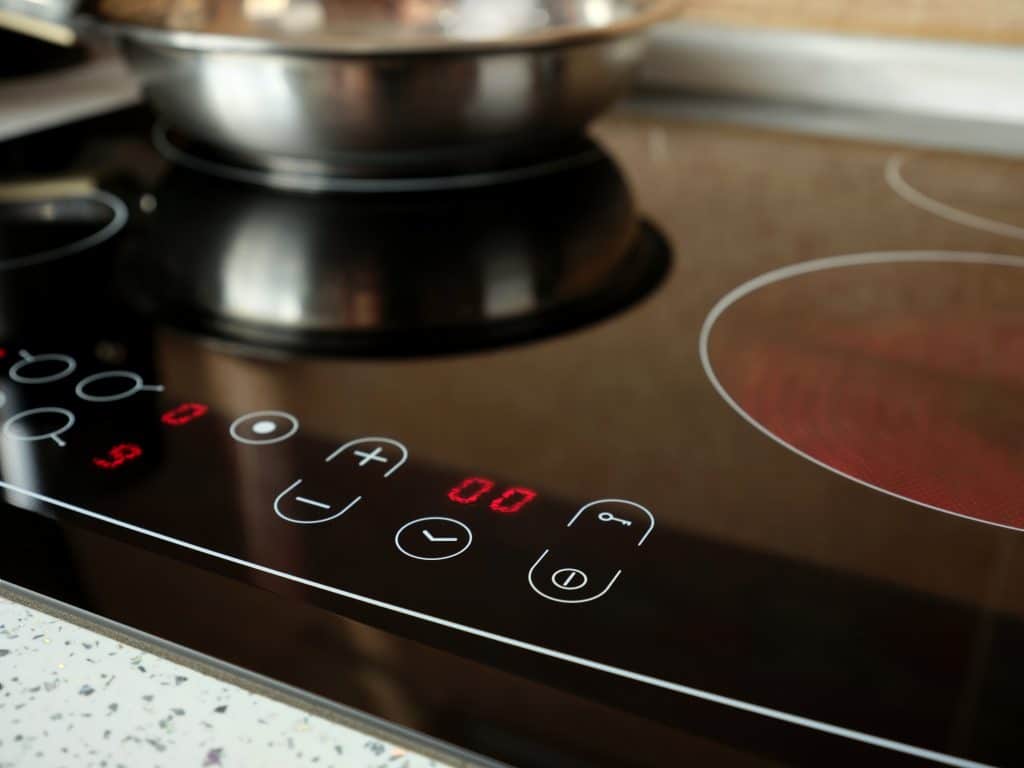
Induction cooktop shutting down during cooking can feel frustrating, especially when everything seems to be working normally. Modern induction cooktops are designed with advanced safety systems that constantly monitor temperature, airflow, voltage, and cookware contact. When something moves outside safe limits, the unit may shut down automatically to prevent internal damage and reduce safety risks in your kitchen.
At Freedom Appliances, we regularly diagnose cooktops that power off unexpectedly. In many cases, the appliance is not broken. Instead, it is responding exactly as designed to prevent overheating or electronic failure. Understanding why this happens helps homeowners respond correctly instead of assuming the entire unit needs replacement.
Overheating Protection and Temperature Sensors
Induction cooktops generate heat through electromagnetic energy. While the cooking surface stays cooler than traditional elements, the internal components become warm during operation. Cooling fans and heat sensors work together to control internal temperature. If airflow is restricted or if the cabinet below the cooktop traps heat, the system may shut down to protect its circuit boards.
Blocked ventilation is one of the most common reasons for protective shutdown. For example, storing items directly beneath the cooktop can interfere with airflow. Dust buildup inside the cooling system may also reduce efficiency over time. When internal sensors detect excessive heat, the appliance automatically stops heating until safe temperature levels return.
Professional diagnosis ensures the cooling system functions correctly. If shutdowns happen repeatedly, scheduling an inspection through the main appliance repair Airdrie service can help identify whether airflow, installation clearance, or component wear is contributing to the issue.
Cookware Detection and Surface Safety
Induction systems rely on magnetic contact between the pan and the cooking zone. If incompatible cookware is used, the cooktop may power off because it cannot detect proper magnetic resistance. This is not a malfunction. It is a safety feature designed to prevent wasted energy and overheating of internal components.
Even with compatible cookware, improper placement can trigger shutdown. If the pan is too small or not centered properly, sensors may interpret it as unstable contact. Similarly, lifting a pot repeatedly while cooking can cause the system to pause or stop heating.
Glass surface temperature protection is another factor. Although induction glass remains cooler than standard electric cooktops, extreme residual heat from heavy cookware may still activate protective limits. These automatic pauses help prevent glass cracking and internal stress.
If consistent errors appear, a technician specializing in cooktop repair Airdrie can test sensors and ensure the detection system operates correctly.
Voltage Fluctuations and Electrical Safeguards
Induction cooktops are sensitive electronic appliances. Stable voltage supply is essential for safe operation. Sudden power surges, loose wiring connections, or breaker inconsistencies may cause the unit to shut off unexpectedly.
Electrical protection systems are built into the control board. When irregular voltage is detected, the appliance disconnects itself to prevent circuit damage. In some cases, homeowners assume the cooktop is defective, but the real issue lies in the household electrical supply.
This protective behavior is similar to what occurs in other appliances. For instance, dryers with overheating protection or circuit monitoring can stop mid-cycle to avoid internal damage. If similar shutdown patterns appear in laundry appliances, a professional evaluation through dryer repair Airdrie may reveal broader electrical concerns in the home.
Ensuring the cooktop is installed on a dedicated circuit with proper amperage reduces these shutdown events and protects long-term performance.
Internal Component Monitoring and Error Codes
Modern induction units continuously monitor internal boards, coils, and communication between modules. If a sensor reports inconsistent readings, the system may display an error code and shut down automatically. This behavior prevents further strain on delicate electronics.
Moisture exposure is another overlooked cause. Spilled liquid that seeps beneath the glass surface can affect internal connectors. Even small amounts of residue buildup may disrupt sensor communication. Over time, this leads to random shutdowns during cooking.
Appliance safety systems operate across multiple household units. For example, dishwashers also shut down when leak sensors detect water accumulation beneath the base. If you experience similar protective stoppages with other kitchen equipment, scheduling service such as dishwasher repair Airdrie can prevent more serious water-related damage.
Accurate diagnosis requires testing control boards, verifying resistance values, and checking wiring integrity. Replacing parts without proper evaluation may not solve the root cause.
When Protective Shutdown Becomes a Repair Issue
Occasional automatic shutoff during heavy cooking may be normal. However, frequent shutdowns under light use indicate a developing issue. Worn cooling fans, failing temperature sensors, or deteriorating capacitors can trigger protection systems prematurely.
Ignoring repeated shutdowns may lead to complete failure later. The appliance is signaling that something requires attention. Addressing it early reduces repair cost and prevents unexpected breakdown during important meals.
Protective systems exist in many appliances, including refrigeration equipment where compressor protection activates under stress. If freezer performance becomes unstable alongside cooktop issues, service such as freezer repair Airdrie may help identify whether voltage or ventilation problems are affecting multiple systems.
Freedom Appliances focuses on proper testing before recommending part replacement. Understanding how the safety logic operates allows accurate solutions instead of guesswork.
FAQs
1. Is it normal for an induction cooktop to turn off by itself?
Yes, occasional shutdowns can be normal if the appliance detects overheating, improper cookware, or voltage fluctuation. These systems are designed to prevent internal damage.
2. Can using the wrong cookware cause shutdown?
Absolutely. Induction cooktops require magnetic cookware. If the pan is incompatible or too small, the system may power off automatically.
3. Should I reset the breaker when the cooktop shuts down?
If the unit does not restart after cooling down, resetting the breaker may help. However, repeated breaker trips indicate a deeper electrical issue that needs professional diagnosis.
4. Does overheating always mean a major repair?
Not necessarily. Sometimes blocked airflow or installation clearance is the problem. A technician can inspect ventilation and cooling components before replacing parts.
5. When should I call for professional repair?
If shutdowns happen frequently, display error codes, or interrupt normal cooking even under light use, professional service is recommended to prevent larger component failure.
