
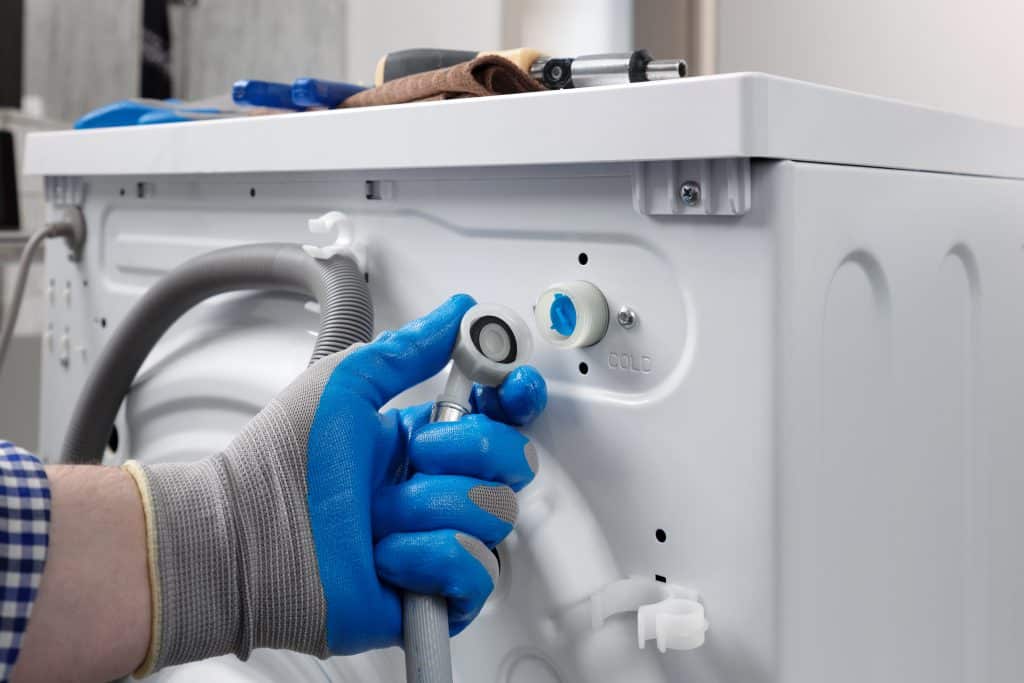
Living in Airdrie means we all prepare for the biting cold of an Alberta winter. We make sure our furnaces work and our winter tires are on, but many of us forget about the appliances sitting in our laundry rooms. When the temperature drops below zero, the water inside your washing machine hoses can quickly turn into solid ice. This expansion creates massive pressure that can snap a rubber hose or crack a plastic valve in seconds. Our team at Freedom Appliances Airdrie sees the messy results of frozen pipes every single January. We want to help you understand the risks so you can keep your home dry and your laundry moving through the coldest months.
Most homeowners do not realize how vulnerable their washing machine is until they find a puddle on the floor. Because many laundry rooms sit near an outside wall or a drafty garage, they are the first to feel the frost. If your washer cannot pull in water because of an ice blockage, the internal pump might burn out while trying to start a cycle. We believe that a few minutes of preparation can save you from a very expensive and soggy disaster. By following our simple winter guide, you can protect your investment and avoid the need for an emergency service call during a blizzard.
Why Airdrie Basements Put Your Plumbing at Risk
Airdrie is full of beautiful homes with large basements, but these lower levels stay much colder than the rest of the house. During a deep freeze, the ground around your foundation freezes solid, which pulls heat away from your basement walls. If your washing machine sits against one of these exterior concrete walls, the water lines are in the “danger zone.” Cold air often sneaks in through small gaps around the dryer vent or rim joists, creating a direct path for frost to reach your hoses. We find that even a tiny draft can freeze a hose overnight if the furnace is not circulating enough warm air into the laundry area.
Furthermore, many basements lack the same level of insulation as the main floors of the house. If you keep your laundry room door closed to hide the mess, you are also blocking out the warmth from your home’s heating system. This creates a pocket of freezing air that surrounds your washer. When the water inside the thin rubber hoses stops moving, it only takes a few hours of extreme cold to create a solid plug of ice. Once that ice forms, the pressure from the rest of your home’s plumbing pushes against it until something gives way. If you notice your machine isn’t filling up on a cold morning, you should look into professional Washer repair Airdrie to check for internal cracks before you try to run it again.
Simple Tips to Winterize Your Laundry Room
Fortunately, you can take several easy steps to stop the frost from winning the battle. First, we recommend pulling your washing machine a few inches away from the wall. This small gap allows the warm air from your house to circulate behind the machine and keep the hoses at a safe temperature. If the machine stays pressed tight against a cold concrete wall, the wall will “steal” the heat right out of the water. This simple move is one of the most effective ways to prevent a midnight flood.
Second, you should consider adding insulation to the water lines themselves. You can buy inexpensive foam pipe sleeves at any local hardware store. These sleeves wrap around the hoses and act like a winter coat, trapping the heat inside the rubber. For extra protection on those nights when the temperature hits -30°C, you can leave the laundry room door open and even open the cabinet doors if your plumbing is hidden inside a vanity. These actions ensure that your home’s furnace can actually reach the pipes. If you are planning a winter vacation, we always suggest you Contact Us for a quick inspection or simply turn off the main water valves behind the washer to stay completely safe while you are away.
Choosing the Right Hoses for Alberta Winters
Standard rubber hoses that come with most new washers are not built for the extreme temperature swings we see in Airdrie. Over time, the rubber becomes brittle and develops tiny “check” marks or cracks. When water freezes and expands inside these old hoses, they burst like a balloon. We strongly suggest that every homeowner in our community upgrades to stainless steel braided hoses. These hoses have a tough metal mesh on the outside that prevents the rubber from expanding too much, which makes them much more resistant to bursting.
Our professional technicians can install these high-quality lines for you during a routine maintenance visit. We also check the “inlet valves” on the back of the machine. These valves are made of plastic and often crack if they hold frozen water. If you see a small drip coming from the back of your washer after a cold snap, that is a warning sign that the plastic has been damaged. Taking care of these small issues now prevents a massive flood later. We take pride in helping our neighbours choose the best parts to handle our unique Canadian climate.
Staying Safe During a Power Outage
Winter storms in Alberta sometimes cause the power to go out for several hours. When your furnace stops running, the temperature inside your home can drop very fast. In these situations, your washing machine is at high risk because it is often located in the coldest part of the house. We suggest keeping some heavy blankets or old towels in the laundry room. If the power goes out, you can wrap the washing machine and the hoses in these blankets to hold in the remaining heat for as long as possible.
Once the power returns and your house warms up, do not rush to start a load of laundry. Give the room several hours to reach a normal temperature. This ensures that any small bits of ice inside the machine have completely melted. If you try to force the machine to work while ice is still present, you could strip the gears in the motor or break the water pump. We want your appliances to last for many years, so being patient during a cold snap is always the best policy.
Why You Should Never Use a Flame to Thaw Pipes
If you discover that your hoses are already frozen, you must be very careful about how you thaw them. We have heard horror stories of people using blowtorches or open flames to melt the ice, which is incredibly dangerous. This can melt the rubber hoses, damage the electrical wiring inside the washer, or even start a fire in your walls. Instead, we recommend using a hair dryer on a low setting or a small space heater placed a safe distance away.
Gently warming the air around the machine is the safest way to get the water flowing again. You can also wrap the hoses in towels that you have soaked in warm water. As the ice melts, check the hoses frequently for any signs of leaks or bulging. If the hose looks “swollen,” it has been permanently weakened and needs a replacement immediately. Our team is always available to help you safely thaw your system and inspect for any hidden damage that might cause trouble later in the season.
Emergency vs. Routine: When to Call for Help
Sometimes, a frozen hose is just a small hiccup, but other times it signals a major problem. If you see a large crack in the hose or water spraying out, you should turn off the main water valve to your house immediately. This is an emergency that requires professional attention. However, if you just notice that your clothes are coming out extra wet or the machine is making a strange humming sound, you might just need a routine check-up. We enjoy teaching our customers how to tell the difference so they can save money on service calls.
In many cases, the cold weather causes Calgary Dishwasher Repairs to become necessary as well, as those lines can also freeze. We offer full inspections for all your kitchen and laundry appliances to make sure everything is ready for the winter months. Whether you have a brand-new smart washer or a trusty old top-loader, we have the experience to keep it running perfectly. Let us handle the technical side of winterizing so you can focus on staying warm and enjoying the winter season with your family.
FAQ
Why won’t my washing machine fill with water when it’s cold?
The most likely reason is that the water inside the inlet hoses has frozen. If the hoses feel stiff or have frost on the outside, you have an ice blockage. You should stop the cycle and thaw the hoses before trying again to avoid damaging the motor.
Can a frozen hose break the washing machine?
Yes, it can. When water freezes inside the plastic inlet valve or the internal pump, it can crack the housing. This leads to leaks inside the machine that you might not see until you start a new load. It can also cause electrical shorts if the water touches the wiring.
How do I know if my hoses are about to burst?
Look for “bubbles” or bulges in the rubber. You should also check for any discolouration or small cracks in the outer layer. If your hoses are more than five years old, we recommend replacing them with stainless steel versions to be safe.
Should I keep my basement warmer in the winter?
Yes, if your laundry room is in the basement, you should try to keep that area at least 15°C. This prevents the air near the floor from reaching the freezing point. Using a small fan to circulate air can also help keep the corners from getting too cold.
What should I do if I find a leak after a cold night?
First, turn off the water valves behind the machine. Then, unplug the washer to prevent any electrical issues. Once the water is off, give us a call to inspect the damage and replace the broken parts before you try to use the machine again.
Is it okay to leave the washer in an unheated garage?
We do not recommend this in Airdrie. The extreme cold will almost certainly damage the internal components of the machine. If you must keep it in a garage, you need to drain all the water out of the pump and hoses after every single use.
