
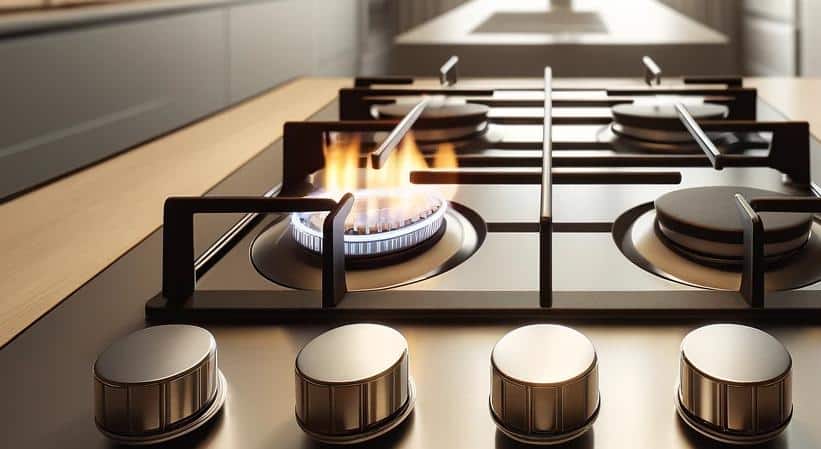
When your stove heat is too high or too low, cooking becomes frustrating and even dangerous. Meals burn, sauces refuse to simmer, and you lose confidence in your own kitchen. Freedom Appliances helps homeowners in Airdrie diagnose and fix these problems fast. This guide explains the most common causes of stove heat problems and what you can do about them.
Why Stove Heat Problems Happen
Stove heat issues do not appear out of nowhere. Several specific parts fail and cause the temperature to swing too hot or too cold. Understanding these components helps you describe the problem clearly when you call a technician.
The igniter is one of the first parts to suspect on a gas stove. A weak or failing igniter draws power without lighting the burner fully. This leads to a low, inconsistent flame that cannot reach the heat you need. On an electric stove, a worn heating element produces similar results. The element glows unevenly or not at all, and the burner never reaches its set temperature.
Thermostat or temperature sensor failure is another frequent cause. The sensor reads the surface temperature and tells the control board how much power to supply. A faulty sensor sends incorrect readings. The stove then runs hotter or cooler than the dial indicates.
Clogged burner ports cause gas stoves to run too low. Food debris and grease block the small openings where gas exits. The flame shrinks, flickers, or burns unevenly. Regular cleaning prevents this, but once the ports are packed with residue, cleaning alone may not restore full performance.
Signs Your Stove Heat Is Too High or Too Low
Some signs are obvious. Others are easy to overlook until the problem gets worse. Watch for these warning signals:
Food scorches on a medium setting. This tells you the burner runs hotter than the dial suggests. You turn the knob to medium, but the pan acts like it sits on high. This is a classic sign of a failed temperature sensor or a control board issue.
Water takes too long to boil on high heat. A burner that struggles to bring water to a boil points to a weak igniter, a failing element, or blocked burner ports. The stove uses energy but delivers far less heat than it should.
Flames burn orange or yellow instead of blue. A healthy gas flame is blue. Orange and yellow flames indicate incomplete combustion, often from a gas pressure problem or dirty burner ports. This reduces heat output and raises safety concerns.
The oven bakes unevenly. If one side of a baking sheet browns faster than the other, the oven element or temperature sensor is likely the cause. Uneven baking is a reliable sign that your stove repair needs professional attention.
Can You Fix Stove Heat Problems Yourself?
Some basic maintenance tasks are safe for homeowners. Cleaning burner ports with a toothpick or thin wire removes debris without any tools. Checking that the burner cap sits flat and level is another easy step. A misaligned cap disrupts the flame pattern and reduces heat output.
Beyond these simple steps, repairs become technical and risky. Replacing a heating element on an electric stove involves working near live electrical connections. Adjusting gas pressure or replacing a gas valve requires a licensed technician. Attempting these repairs without training creates fire and electrocution hazards.
If your stove shares a kitchen with other appliances that need attention, you may also want to check your cooktop for related issues. Cooktops and stoves often share components and can develop similar faults at the same time.
How a Technician Diagnoses and Repairs the Problem
A qualified technician starts with a visual inspection. They check the burner ports, igniters, heating elements, and control knobs. Then they test the temperature sensor and control board with a multimeter. This process identifies the exact component that fails.
Once the technician finds the fault, they replace the defective part with a manufacturer-approved component. This restores accurate heat output and extends the life of the appliance. The repair typically takes one visit and less than an hour for common issues.
Freedom Appliances technicians carry parts for the most common stove brands. This means fewer delays and faster repairs. You get your kitchen back without waiting days for a part to arrive.
When to Repair vs. When to Replace
Most stove heat problems are worth repairing. A new igniter, element, or sensor costs far less than a replacement appliance. Repair makes financial sense when the stove is under ten years old and the rest of the appliance works well.
Consider replacement when the stove is over fifteen years old and multiple components fail at once. Repeated repairs on an aging appliance add up quickly. A technician can give you an honest assessment and help you decide which path saves you the most money.
While you evaluate your stove, also think about the other appliances in your home. A failing washer or a freezer that does not hold temperature can cause just as much disruption as a misbehaving stove. Catching appliance issues early always costs less than emergency repairs.
Preventing Stove Heat Problems in the Future
Routine maintenance keeps stove heat problems from developing in the first place. Clean burner ports and caps after heavy cooking sessions. Wipe the stovetop regularly to prevent grease buildup from entering burner openings. Inspect igniters and elements every few months for visible damage.
Schedule a professional inspection once a year if you cook frequently. A technician spots early signs of wear before they turn into complete failures. This saves money and prevents the inconvenience of a stove that stops working mid-meal.
Avoid using oversized cookware that traps heat around the burner. This accelerates wear on igniters and elements. Match your pot size to the burner size for even heating and longer component life.
Trust Freedom Appliances for Stove Repairs in Airdrie
Stove heat that runs too high or too low is not a problem you have to live with. The cause is almost always a specific, replaceable component. Freedom Appliances provides fast, reliable appliance repair in Airdrie for stoves, cooktops, washers, freezers, and more. Our technicians diagnose the issue correctly the first time and complete repairs with quality parts. When your stove heat is too high or too low, contact us today and get your kitchen working the way it should.
Frequently Asked Questions
Why does my gas stove produce a weak flame even on the highest setting?
Clogged burner ports are the most common cause. Food residue and grease block the openings where gas exits, reducing the flame. A faulty igniter or low gas pressure can also limit flame height. A technician can clean the ports and test the igniter to restore full output.
Can a faulty temperature sensor make my oven run too hot?
Yes. The temperature sensor monitors the oven cavity and signals the control board to adjust power. A sensor that reads lower than the actual temperature causes the board to keep supplying heat past the set point. Replacing the sensor corrects the issue in most cases.
Is it safe to use my stove if the burner flame is orange instead of blue?
You should stop using that burner until a technician inspects it. An orange flame signals incomplete combustion, which can produce carbon monoxide. This is both a heat performance problem and a safety hazard. Have the burner ports cleaned and the gas pressure checked right away.
How long does a typical stove heat repair take?
Most repairs take between thirty minutes and two hours, depending on the component. Replacing an igniter or heating element is straightforward and fast. Control board replacement takes longer. A technician can give you a time estimate after diagnosing the specific fault.
Should I repair my stove or buy a new one?
Repair is almost always the better choice for stoves under ten years old. The cost of a new igniter, element, or sensor is a small fraction of a replacement appliance. A technician can assess the overall condition of your stove and give you an honest recommendation based on the repair cost and the appliance’s remaining lifespan.
